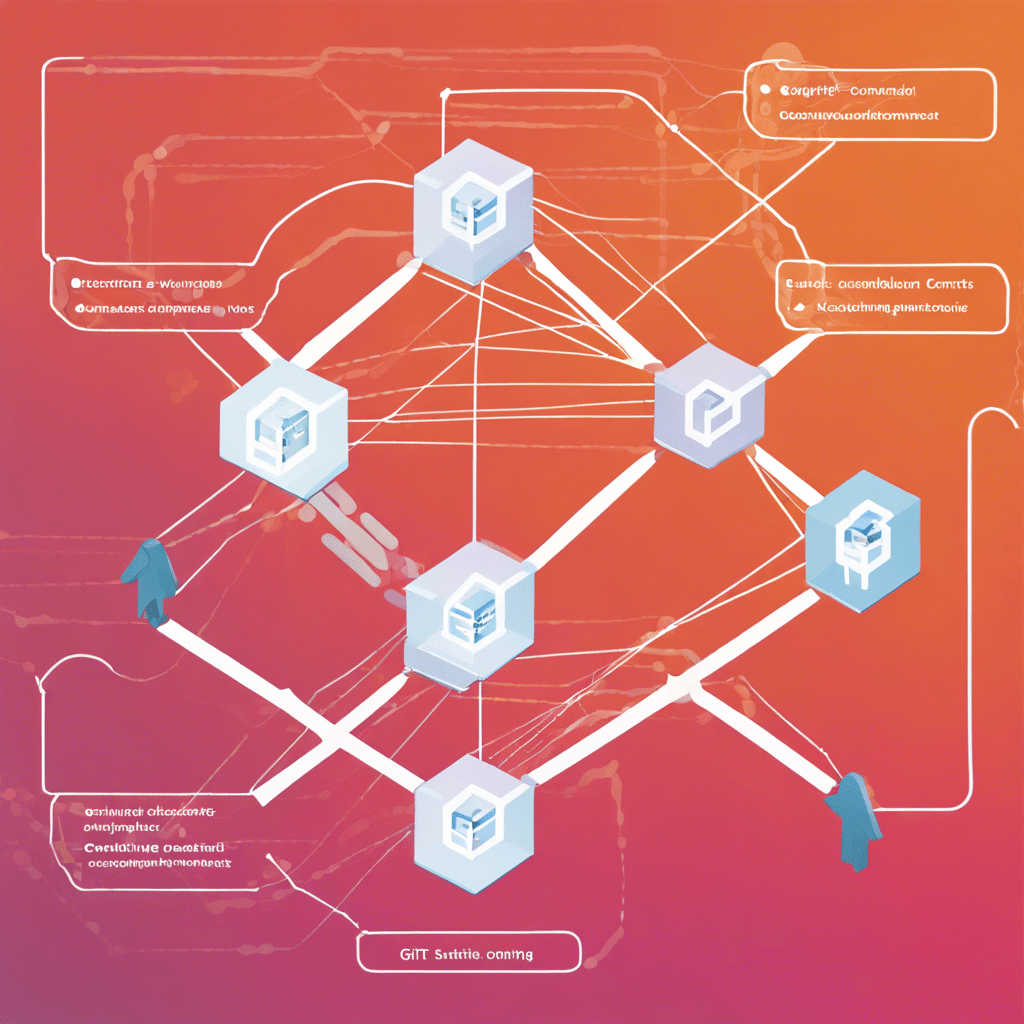
Discover how to design a scalable and modular for Agentic AI architecture systems using Python, FastAPI, LangChain, and AWS. Learn key components, best practices, and deployment strategies for LLM-powered autonomous agents.
Table of Contents
Architecting Scalable Agentic AI Systems with Python, FastAPI, and LLMs
The AI landscape is rapidly shifting from traditional rule-based systems to Agentic AI—autonomous agents that perceive, reason, and act independently in real-time. These agents aren’t just executing pre-programmed instructions—they are learning, adapting, and making intelligent decisions by interacting with humans, tools, and data sources.
To bring these systems to life, we need robust, scalable, and modular backend architectures powered by Python, FastAPI, LLM orchestration frameworks like LangChain, and cloud infrastructure such as AWS. This article explores a future-ready architecture tailored for next-generation intelligent agents.
The future of intelligent applications lies in Agentic AI—autonomous systems that can reason, plan, and act independently. Building such systems requires an architecture that is modular, scalable, cloud-native, and LLM-compatible. In this blog post, we walk through the architectural strategy for building an Agentic AI System using Python, FastAPI, LangChain, and AWS.
Core Architectural Principles
To create a flexible and adaptive platform, we follow these core principles:
-
Microservices-first design: Decouples logic into independently deployable components.
-
Event-driven communication for decoupled services: Enables scalable, asynchronous data flow between services.
-
LLM orchestration via LangChain, AutoGen, or Haystack: Integrates LLMs using LangChain, AutoGen, or Haystack
-
Asynchronous APIs using FastAPI for high concurrency: FastAPI is leveraged for concurrent and low-latency communication.
-
Cloud-native deployment using AWS, Docker, and Kubernetes: Infrastructure runs seamlessly on AWS with Kubernetes for orchestration.
-
Modular AI components for reasoning, memory, and actions: High visibility into operations with logging, metrics, and tracing.
-
Key Architecture Components
1. FastAPI Gateway
-
Manages all client interactions
-
Handles authentication, rate-limiting, and request routing
-
Supports async operations for real-time responses
2. Agent Services
Each agent component—Planner, Reasoner, Executor, Memory Handler—is developed as a separate service:
-
Independently scalable
-
Communicate via Kafka/SQS
-
Built with modular Python code
3. LLM Gateway
-
Abstracts interaction with external models (OpenAI, Claude, Hugging Face)
-
Adds resilience, retries, and fallback logic
4. Memory Store
-
Redis for fast in-memory state tracking
-
FAISS or Pinecone for semantic search and vector storage
-
DynamoDB or PostgreSQL for structured agent metadata
5. Event Bus
-
Kafka, AWS SQS, or EventBridge
-
Enables asynchronous messaging between services
6. Observability Stack
-
OpenTelemetry for distributed tracing
-
CloudWatch or Grafana + Prometheus for dashboards
-
OpenSearch for logs and search
DevOps & Cloud Deployment
Using Docker and Kubernetes (EKS), the architecture supports containerized microservices. CI/CD pipelines are powered by:
-
GitHub Actions or AWS CodePipeline
-
Integrated testing and rollout mechanisms
-
Blue/Green or Canary deployment patterns
Real-World Use Cases
Agentic AI systems are already transforming key industries:
-
Customer Support: LLM-powered agents autonomously resolve 60–70% of customer queries with contextual memory and intent recognition.
-
Legal Assistants: Parse and summarize case files, suggest legal strategies, and even draft court-ready documents.
-
Healthcare: Triage bots interact with patients, record symptoms, cross-reference historical data, and suggest diagnoses.
-
Finance: Autonomous bots analyze markets, flag opportunities, and trigger alerts or actions based on financial indicators.
These agents benefit from modular designs—when you upgrade your LLM or plug in a new database, the system adapts without disruption.
Challenges and Strategic Solutions
Latency Bottlenecks
-
LLM calls are expensive and slow. We use background workers and event queues to process them asynchronously.
Versioning Models
-
LLM providers change frequently. Maintain a model registry with fallback versions and test prompts before going live.
Memory Scaling
-
Human-like memory is key to effective agents. Use hybrid memory design: vector DB for semantic recall, structured DB for episodic memory.
Security
-
Implement API key rotation, IAM roles, and data encryption at rest and in transit.
-
Monitor LLM output to prevent prompt injection or data leakage.
Extensibility and Future-Proof Enhancements
-
Multi-modal input: Incorporate voice, image, or video for agents to process rich media.
-
Tool usage: Integrate LangChain tools or plugins to let agents browse, calculate, or query APIs.
-
Self-learning feedback loops: Track performance and enable reinforcement learning or human feedback.
-
Agent collaboration: Design agents that delegate or collaborate for complex tasks (e.g., project planning or research synthesis).
Conclusion
Designing an Agentic AI system demands more than just model integration—it needs a solid, cloud-native, microservices-based architecture that enables intelligent, adaptive, and modular agents. By combining the power of FastAPI, LangChain, and AWS, this architecture is built to scale and evolve with the future of AI.
Agentic AI represents a significant leap in how machines understand and interact with the world. But the intelligence of your agent is only as good as the architecture supporting it.
By leveraging a modular microservices framework, powered by FastAPI, integrated with LangChain, and deployed via cloud-native DevOps, this architecture sets the foundation for AI systems that are not only intelligent—but also resilient, scalable, and adaptable.
Whether you’re building a personal digital assistant, an intelligent data agent, or an enterprise-grade automation platform, the principles laid out here will help you craft AI systems that can reason, learn, and evolve—just like humans.
Discover more from Info News
Subscribe to get the latest posts sent to your email.